

Art criticism behaves like a science of value. It reviews a piece, assigns a judgment, and moves on with the confidence of a discipline that has settled something. It hasn't. The history of the canon is largely a history of criticism being wrong, corrected later by exactly the audience it claimed to be qualified to instruct.
The canon's track record
The examples aren't obscure. The Impressionists were rejected by the Paris Salon so completely that they built their own exhibition just to be seen at all. Critics at the time called the work unfinished, sloppy, an insult to real painting. Fifty years later, those same paintings were the ones museums fought over. Van Gogh sold one painting in his lifetime. The critical establishment of his era didn't fail to notice him by accident. It looked directly at the work and got it wrong, with total confidence, in print.
This pattern repeats often enough that it stops looking like a series of isolated mistakes and starts looking like a structural problem. Critical consensus is not a measurement. It's an opinion with better distribution. It has the trappings of authority, publication, credentials, institutional backing, but none of the mechanism. There is no instrument a critic uses that a viewer standing in front of the same canvas doesn't also have access to: eyes, attention, time.
What a critic doesn't have
What a critic often doesn't have, that a practitioner does, is the inside of the decision.
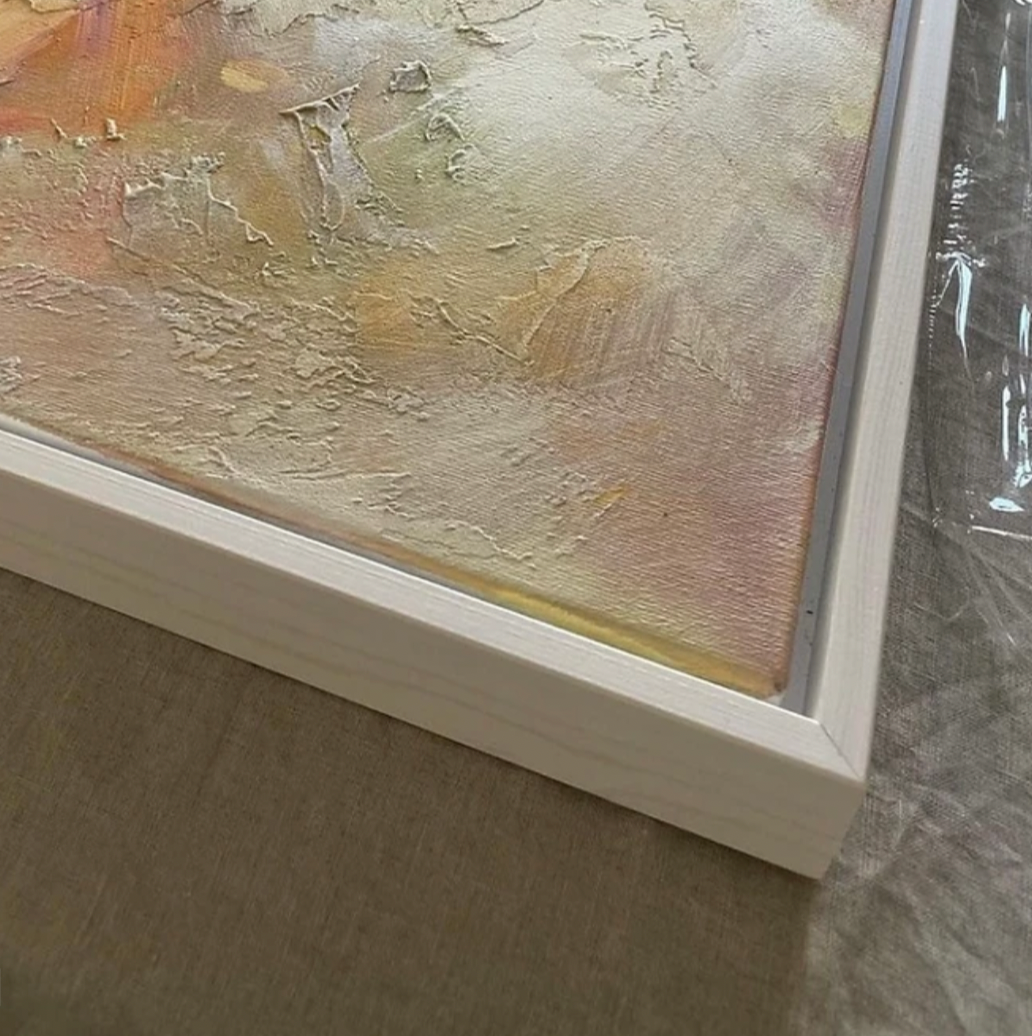
Standing in front of a painting as the person who made it, you notice things a review never mentions: where a color got pushed past the point it wanted to stop, where a mark was covered and repainted four times before it earned its place, where restraint was a choice and not an accident.
That kind of noticing doesn't come from studying the finished object. It comes from having made the same kind of decision badly, enough times, to recognize it in someone else's work. That's a different qualification than the one criticism claims. It isn't available to everyone. But it isn't the final word either.
What this means for your own eye
This shows up most plainly in a gallery, where a piece of wall text or a raised eyebrow from someone more fluent in art-speak can talk a person out of a reaction they were having a second earlier. The reaction doesn't get better informed by the interruption. It gets quieter. What's lost isn't ignorance being corrected. It's a real response being talked out of existing before anyone asked what caused it.
If no one, critic or practitioner, has actually earned the authority to close the conversation on a piece of work, that isn't a loss. It's permission. The instinct to defer, to wait for someone credentialed to confirm a reaction before trusting it, treats your own eye as a lesser instrument standing in for expertise. It isn't standing in for anything. It's a different instrument, pointed at the same object, and it's allowed to register something real.
None of this is an argument that opinions don't matter, or that every reaction is equally informed. Some people have looked longer, thought harder, made more of the decisions themselves. That's worth listening to. But worth listening to is not the same as final. No one, including the critic, including the person who painted the work, gets to be the last word on what it means to someone standing in front of it.