

There is something deeply human about the desire to shape the spaces we inhabit. Long before interiors became curated or styles acquired names, people surrounded themselves with objects that carried meaning. A woven basket, a carved vessel, a painted wall, a treasured stone brought home from a distant journey. These were never simply possessions. They were expressions of identity, memory and belonging.
Perhaps this is why art and interior design have always felt inseparable to me.
When people think about choosing abstract art for their home, the conversation often begins with colour, size or where a painting might hang. But I believe those questions come later. The first question is simpler: How do you want your home to feel?
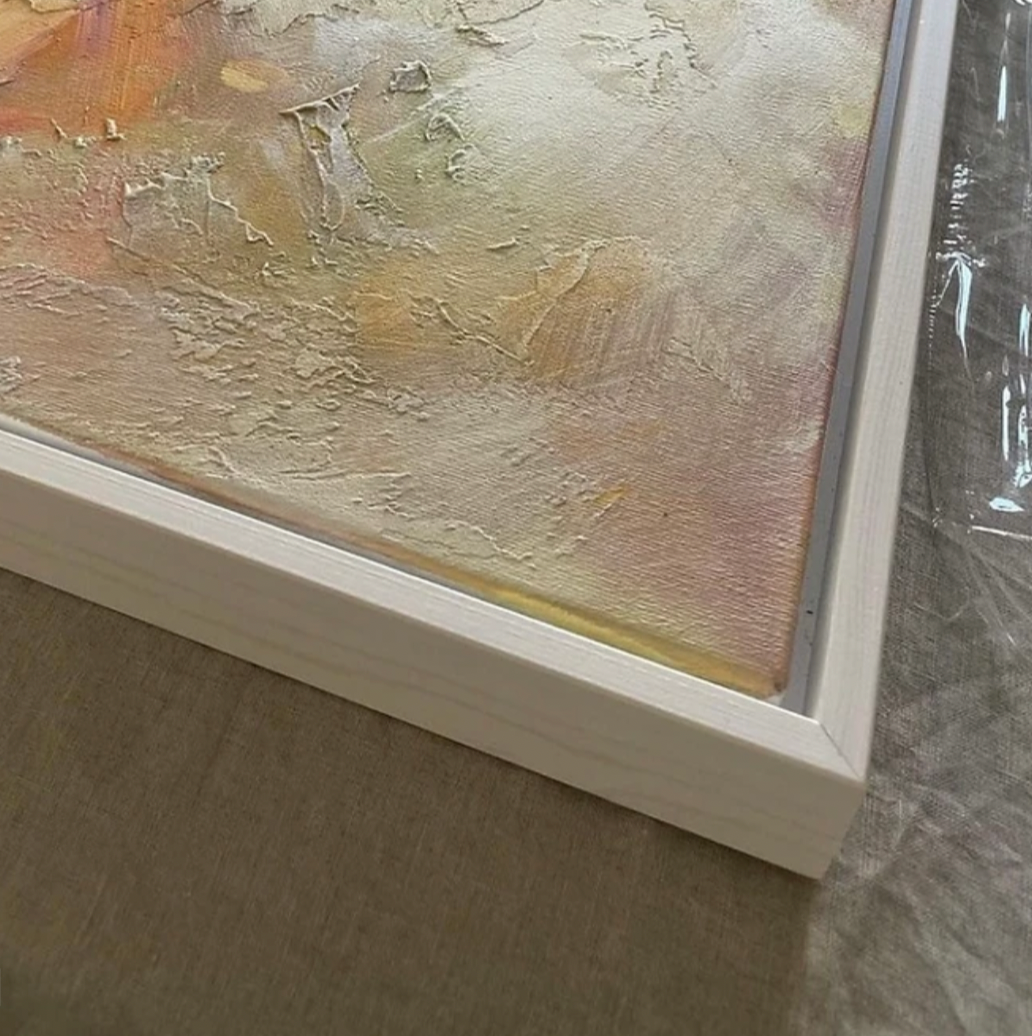
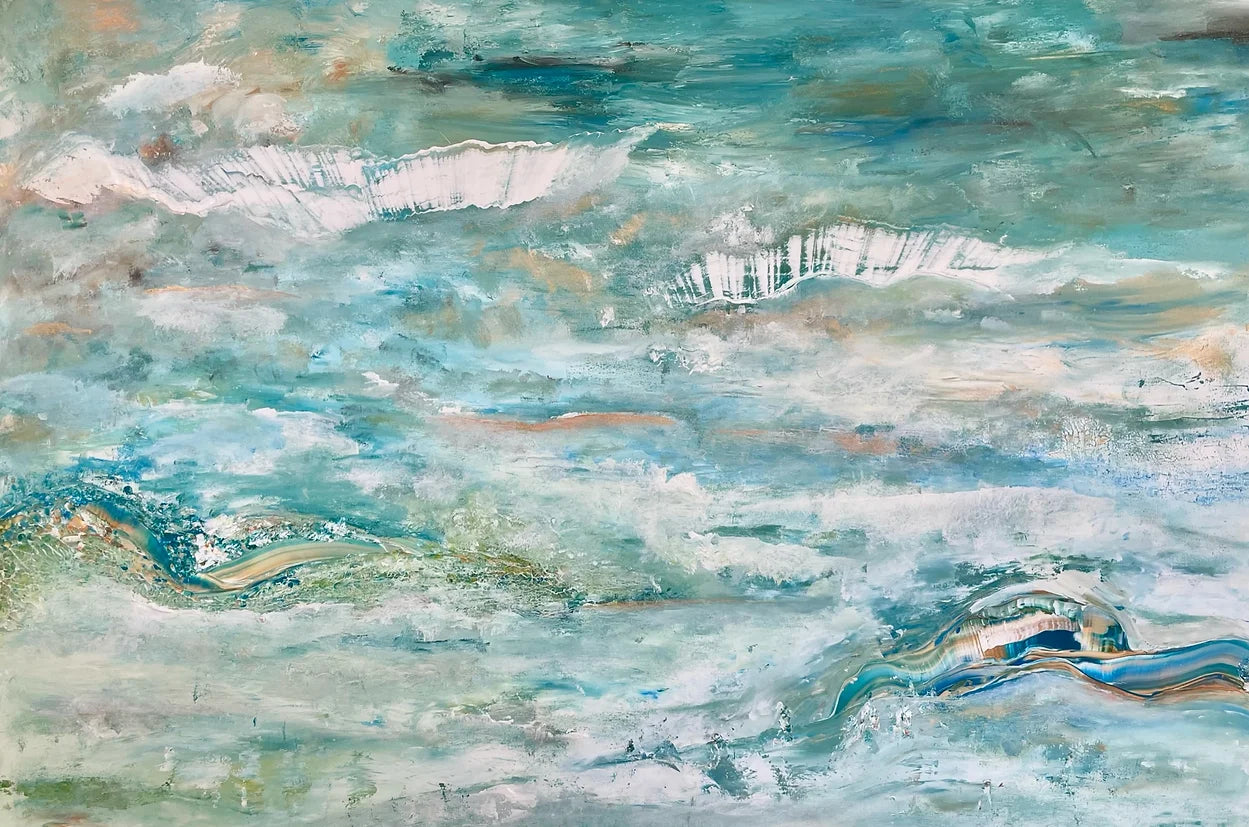
A painting does far more than fill an empty wall. Original abstract art can transform the atmosphere of a room in ways that are difficult to explain but easy to experience. It can quiet a space or awaken it. It can create warmth, curiosity, energy or calm. We do not simply look at art; we live alongside it. It becomes part of the rhythm of everyday life, quietly shaping how a home is experienced.
The rooms we remember rarely owe their impact to perfect styling. We remember how they made us feel. Welcoming. Peaceful. Inspiring. Full of character. More often than not, art is the invisible thread that holds those feelings together.
Abstract Art Is More Than Decoration
When decorating a home, it is easy to think of artwork as the finishing touch, the final piece once everything else has been chosen. Yet I have come to believe the opposite. Often, the right painting is where the interior journey begins.
An original abstract painting can establish the emotional tone of a room before a word is spoken. Its colours may quietly echo through textiles, ceramics or furniture, creating harmony without demanding uniformity. Just as easily, it can introduce a bold contrast, bringing energy to a neutral interior or a sense of calm to a colourful one.
This is one of the reasons I love abstract art in interiors. Rather than illustrating a specific place or subject, it leaves room for interpretation. It invites feeling before explanation. It connects furniture, objects and architecture into something that feels personal rather than prescribed.
The art we choose says something about who we are. It reflects what captures our attention, what stirs our imagination and what we want to live with every day. Unlike many decorative objects, a painting asks for nothing practical in return. Its purpose is not function, but presence.
Collecting Art Rather Than Decorating
There is an important difference between decorating a home and collecting for one.
Decorating often seeks completion. It asks, What is missing from this room?
Collecting asks a different question: What do I want to live with?
A collected home grows slowly. An original painting discovered at just the right moment. A ceramic bowl made by a local artist. Books whose pages soften with time. An inherited chair. Objects gathered while travelling. Handmade pieces that carry the marks of their maker.
Individually these things may appear ordinary. Together they become a portrait of a life.
This is what gives an interior authenticity. Character cannot be bought in a single afternoon or copied from a showroom. It develops through curiosity, memory and time. The most beautiful homes evolve naturally, with every object adding another layer to the story.
Art becomes part of that story. Before arriving in your home, each painting has already lived one life in the artist's studio. Once it finds its place, it begins another. Shaped by changing light, everyday rituals and the people who pass it each day.
Choosing Abstract Art That Resonates
One of the questions I am asked most often is how to choose abstract art for a home.
My answer is rarely to begin with the sofa or the wall colour.
Begin with emotion and taste.
Choose the painting that continues to draw you back. The one that makes you pause, even if you cannot immediately explain why. The artwork that feels alive every time you see it is far more likely to remain meaningful than one chosen simply because it matches a cushion or follows a trend. Spending time with the available originals is a good way to notice which ones keep pulling you back.
I also love seeing original art woven into everyday spaces rather than reserved for formal rooms. A painting in the kitchen where people gather. A small artwork beside a favourite bookshelf. A canvas in a hallway that catches the morning light. Abstract art doesn't demand perfection; it asks to become part of daily life.
A Home That Continues to Grow
Perhaps the most beautiful homes are those that never feel entirely finished.
Like the people who live in them, they continue to evolve. New books find their shelves. Handmade ceramics acquire tiny imperfections through use. Paintings move from one room to another as lives and seasons change.
In a world that encourages us to consume quickly and replace often, creating a thoughtful home becomes a quieter act of intention. Choosing abstract artworks is part of that process. It is an invitation to collect slowly, live meaningfully and surround yourself with pieces that reflect not only who you are today, but who you are becoming.
Because, in the end, a home tells its story not through perfection but through presence. Through the timeless art that captures your imagination. Through the books you return to. Through inherited treasures, handmade objects and memories gathered over time.
These are the pieces that transform a house into something deeply personal.
And perhaps that is the greatest purpose of art in the home is not simply to decorate a wall, but to help create a place that feels unmistakably your own.