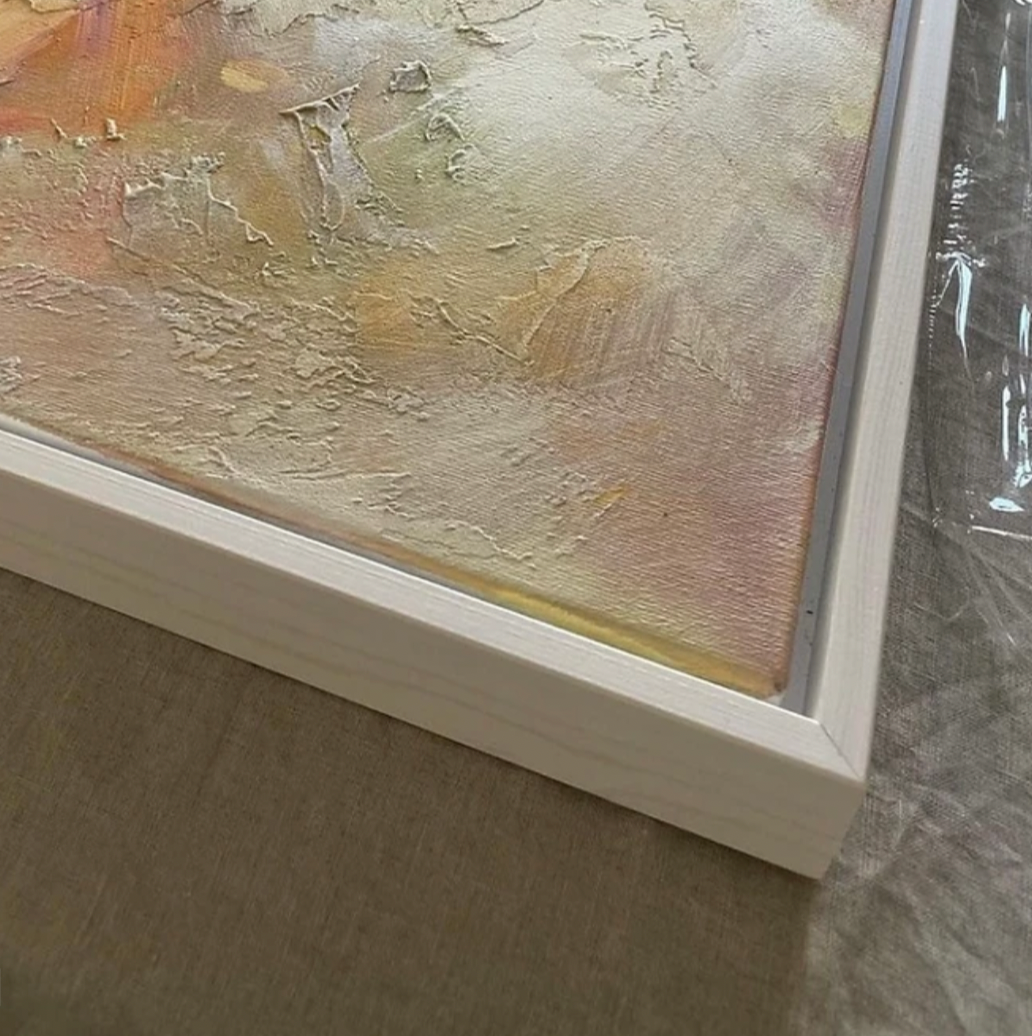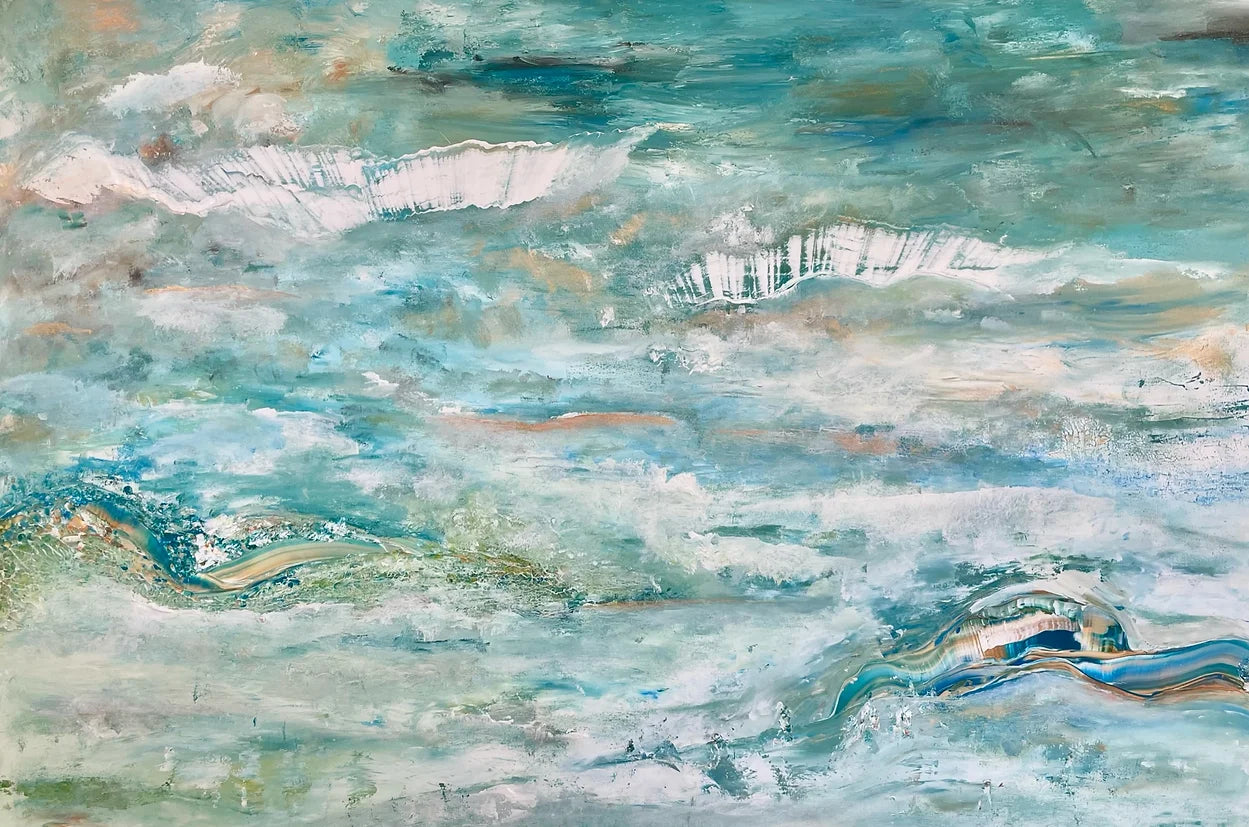


A canvas is stretched fabric and dried pigment. It weighs a few kilograms. You could make one yourself, badly, in an afternoon.
And yet in November 2017, a panel painting slightly larger than a door, the Salvator Mundi, attributed to Leonardo da Vinci, sold at Christie's for $450.3 million. Nothing about the physical object changed in the hour before and after the sale. What changed was a number, agreed upon by two people in a room, and accepted as real by everyone watching.
This is the strange trick at the center of the art market, and it is worth naming plainly: value in art is not solely a property of the object. It is a story enough people agree to tell about the object. That is not a criticism. It is how almost everything humans consider valuable actually works.
How the story got built
For most of human history, art wasn't a market at all. It was a commission. The Church paid for altarpieces. Princes paid for portraits. The Medici family, wool merchants turned bankers turned kingmakers, spent a fortune buying the loyalty and the imagery of Florence's best painters, Botticelli and Michelangelo among them, because patronage was a way to buy permanence. A painting doesn't age the way a ruler does.
The market as we'd recognize it today - strangers bidding against each other for objects neither commissioned - is only a few hundred years old. Sotheby's opened in London in 1744, first as a book auctioneer. Christie's followed in 1766. What these houses actually sold, from the start, wasn't just objects. It was consensus. An auction is a machine for manufacturing agreement in public, in real time, with witnesses. Every hammer price becomes a fact that the next sale gets measured against. The story compounds.
By the numbers, that story now moves somewhere in the tens of billions of dollars a year, globally, year after year — a market built almost entirely on collective belief, backed by very little that would satisfy an accountant.
The infrastructure of belief
Nobody wakes up and simply decides a painting is worth a fortune. The belief needs scaffolding, and the art world spent centuries building it: museums that confer historical importance, critics who supply the vocabulary for why a thing matters, galleries that control who gets to buy first, and provenance. The paper trail proving a work is real and has always been where it claims to have been. Take any one piece of that scaffolding away and the price wobbles. That's not fragility. That's just what a shared story looks like from the inside: sturdy as long as everyone keeps showing up to it.
The NFT boom of 2021 was an accidental experiment in building this scaffolding from nothing, in public, in fast motion. Digital images with no scarcity except the kind that was coded in sold for millions. Then, within two years, most of that value simply evaporated. Not because the images changed, but because enough people stopped agreeing to the story at the same time. It was the art market's oldest mechanism, run at ten times normal speed, so you could actually watch belief form and then watch it die.
The part the story doesn't explain
Here is the honest complication: most people who buy art are not thinking about any of this. Across the market, roughly three-quarters of buyers say they buy for how a piece makes them feel, not as an investment, not for the story of the auction house or the provenance file. The infrastructure of belief exists mostly to serve a much smaller market at the very top. Underneath all of it, most people are still doing the oldest and simplest thing a human can do in front of an object: standing there, feeling something, and wanting to keep it.
What this means if you're standing in front of one
You don't need Christie's, or a provenance file, or a hundred years of institutional consensus to buy a painting that means something. That entire apparatus was built to make enormous sums of money change hands with confidence - not to tell you what to feel. An original, one-of-a-kind piece, bought directly from the person who made it, skips the story almost entirely. There's no auction record standing between you and the object. There's no fund manager's incentive baked into the price. There's a unique piece of work only one person will ever own, and whatever it does to you when you actually stand in front of it.
That's the oldest transaction in the art world, and it was here long before Sotheby's, and it will outlast whatever the market does next.