

Most gifts are built to end. Flowers last a week. A bottle of wine gets opened at dinner, and the evening is over by the time the glasses are cleared. A candle burns down over a few nights and then it's gone. None of this is an accident. It's often the reason we reach for those gifts in the first place.
Why We Give Gifts That Run Out
A gift that runs out closes itself. Once the flowers wilt, the giving is finished. Nobody has to keep displaying it or being reminded of who gave it. It did its job for an evening or a week, and then the obligation is over on both sides.
That's not a flaw. Most occasions call for exactly this kind of gift: light and quickly out of the way.
What Changes When a Gift Doesn't End
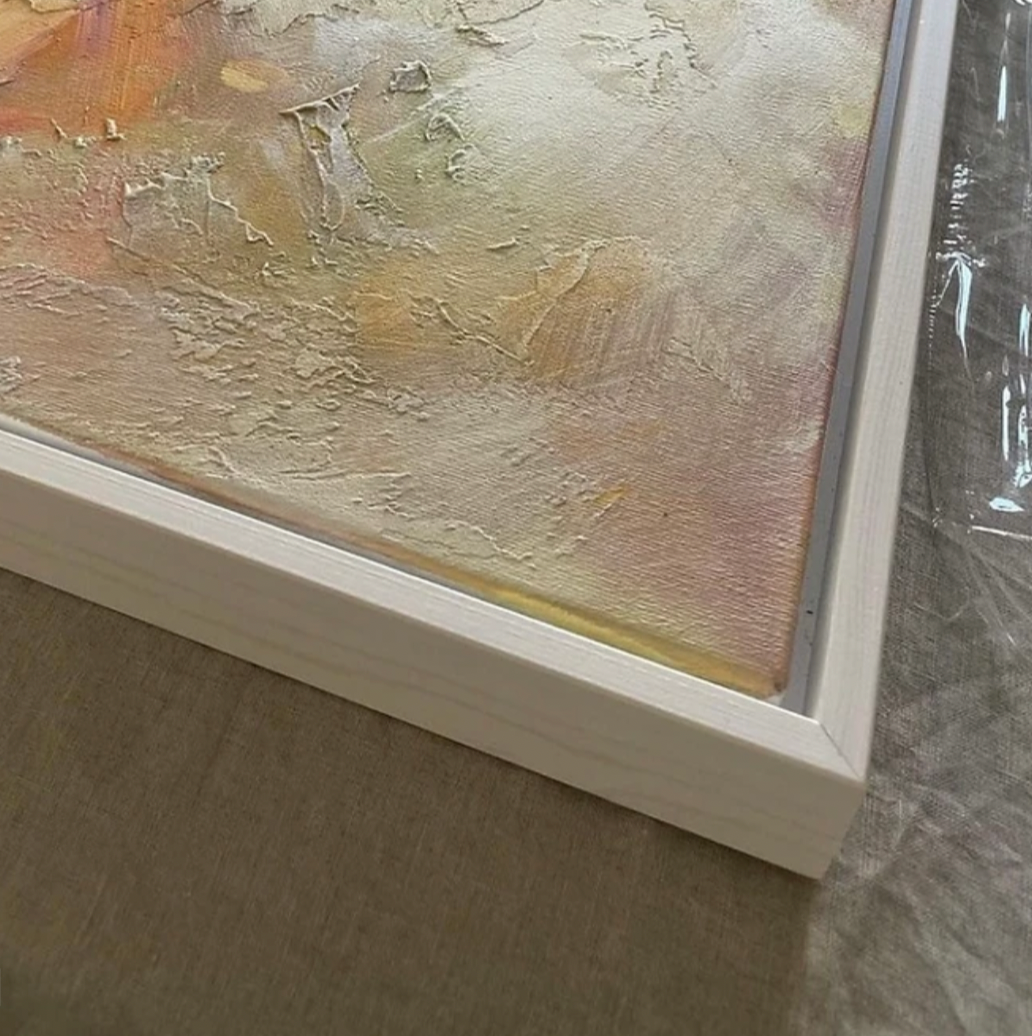
An original painting doesn't work like this. It doesn't have a week where it's fresh and a week where it's fading. Ten years after someone gives it, it's still on the wall, still exactly itself, with nothing built in that tells it when to stop.
That changes what giving it says. A gift with no end date stays present in someone's daily life long after the occasion that prompted it. It doesn't ask to be remembered on purpose, the way a card does. It just stays where it was hung, and the person who gave it stays quietly attached to it for as long as it's there.
That's a bigger commitment than most gifts ask for, on both sides. It's probably part of why art isn't the default choice for most occasions. It asks more of the moment than a candle does.
Is Original Art a Good Gift?
For the right occasion, yes. If the goal is to mark a single day, flowers or wine do that well, and they're supposed to be used up. If the goal is to give something that's still part of someone's life in ten years, at a wedding anniversary, in a first home, at a retirement, an original painting does something almost nothing else in a gift shop can.
How to Choose Art for Someone Else's Taste
Start with what you actually know about their space and their existing choices, not a guess at abstract "taste." Note the colors already in their home, the general mood of the rooms they spend the most time in, calm and quiet or bold and layered, and choose toward that rather than toward a piece you personally love. A smaller, well-chosen piece usually lands better than a large piece picked on a hunch.
Choosing the Piece
The safest approach isn't guessing at someone's taste from across a shop window. It's picking from work that's already finished and real, or commissioning something built around the specific room, person, or story you have in mind. Either way, the gift ends up being something the room didn't have before, and won't stop having.